
Technical Courses

Soft-Skills Trainings

Seminar & Conferences

Articles & Blogs

Jobs / Hiring

Internship Options

Project Based Freelancing

Communities & Consultation

Product image

Painting and Coating Inspection

$ 20

Product image

Painting and Coating Inspection

  • Trainers feedback

    5

    (1 reviews)

  • Course type

    Instructor led live training

  • Course duration

    2 Hrs

  • Course start date & time

    Coming in Next Month

  • Language

    English

Why enroll

Mastering Painting and Coating Inspection can significantly enhance your career in industries like construction, oil and gas, and manufacturing, leading to roles like Coatings Inspector, Quality Control Manager, or Asset Integrity Manager, with median salaries ranging from $70,000 to over $110,000. With this training, you'll gain expertise in inspecting and evaluating painting and coating applications, ensuring compliance with industry standards and specifications. This knowledge will also equip you to identify defects, develop repair plans, and optimize coating systems. As a certified Coatings Inspector, you'll be highly sought after by companies seeking to protect their assets from corrosion and degradation, and your skills will be essential in ensuring the longevity and integrity of critical infrastructure.

Opportunities that awaits you!

Certificate thumbnail

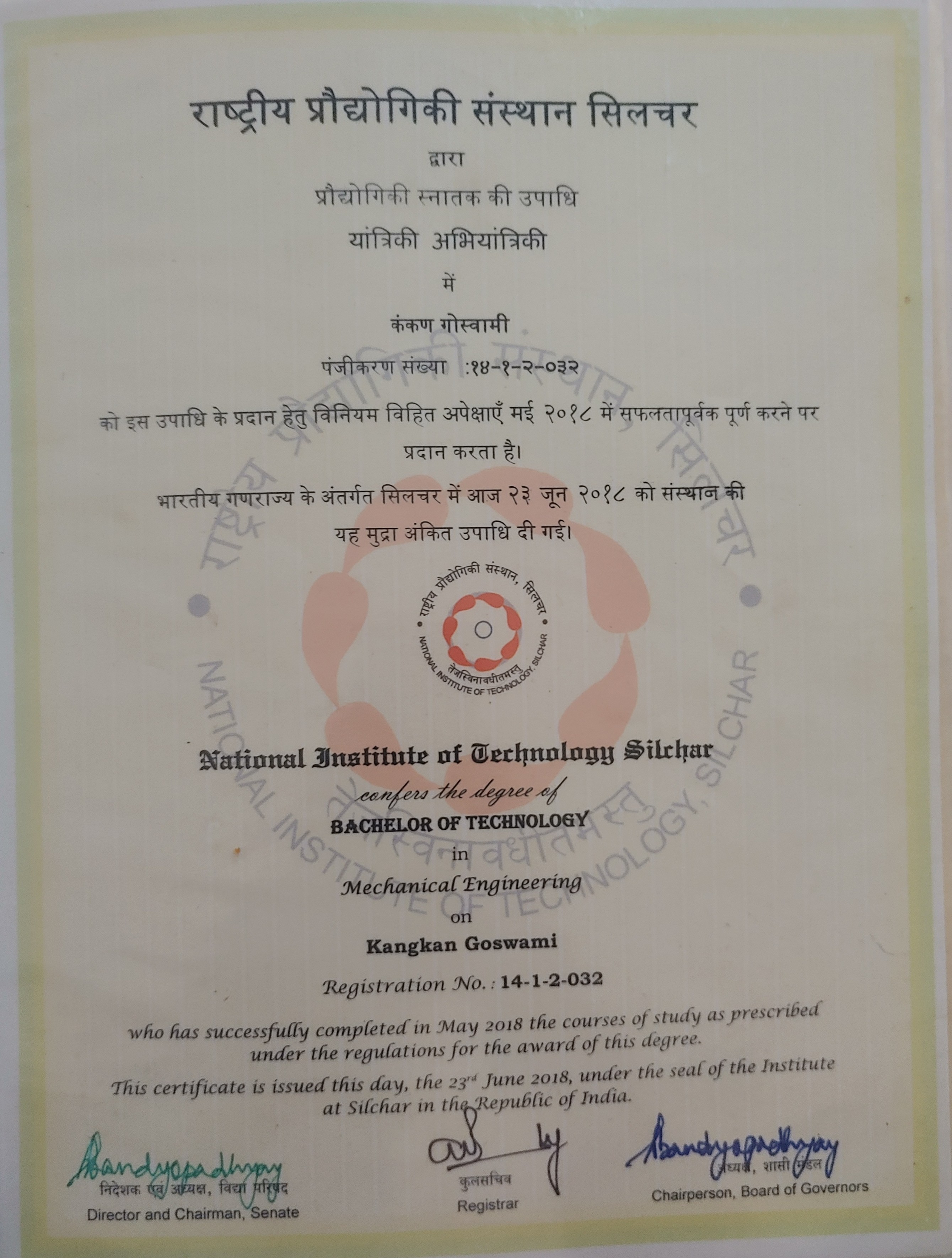
Earn a course completion certificate

Add this credential to your LinkedIn profile, resume, or CV. Share it on social media and in your performance review

Career opportunities

Course details

This course provides a comprehensive understanding of painting and coating inspection, focusing on the methods and best practices essential for ensuring the quality, durability, and performance of protective coatings in various industrial applications. Designed for inspectors, quality control professionals, and maintenance personnel, the course covers inspection techniques, standards, and requirements for both painting and coating processes.

Course suitable for

  • Aerospace
  • Automotive
  • Mechanics & Turbomachinery
  • Mechanical
  • Piping & Layout
  • Production

Key topics covered

  1. Introduction to Painting and Coating Inspection

    • Overview of the importance of protective coatings in industrial applications

    • Types of coatings: organic vs. inorganic, protective vs. decorative, and industrial vs. specialty coatings

    • Key applications of coatings: corrosion protection, chemical resistance, abrasion resistance, and aesthetics

    • The role of the painting and coating inspector in ensuring coating quality and longevity

    • Common industries requiring coatings: oil and gas, marine, construction, automotive, and manufacturing

  2. Coating Materials and Their Properties

    • Basic components of coatings: resins, solvents, pigments, and additives

    • Types of coatings: epoxies, polyurethanes, acrylics, zinc-rich primers, and specialty coatings

    • Properties of coatings: corrosion resistance, UV stability, hardness, flexibility, and adhesion

    • Factors influencing coating performance: environmental conditions (humidity, temperature), substrate material, and coating thickness

    • Selection of coatings for specific environments and conditions: marine, industrial, high-temperature, and chemical exposure

  3. Surface Preparation for Coating Applications

    • Importance of surface preparation in ensuring proper adhesion and coating durability

    • Methods of surface preparation: sandblasting, power tool cleaning, chemical cleaning, and abrasive blasting

    • Surface cleanliness standards (SSPC, NACE, ISO 8501): visual and instrumental methods

    • The role of surface profile and roughness in coating adhesion

    • Controlling surface contaminants (oil, rust, dust) and moisture during preparation

    • Measurement of surface profile and roughness using profile gauges

  4. Coating Application Techniques

    • Overview of coating application methods: spray application, brush, roller, and electrostatic application

    • Choosing the right application technique based on coating type, substrate, and environmental conditions

    • Factors affecting coating application: viscosity, temperature, humidity, and application equipment

    • Ensuring uniformity in coating thickness and coverage

    • Using multiple coats and the drying/curing process to optimize coating performance

    • Application in difficult-to-reach areas (overhead, vertical surfaces) and ensuring consistency

  5. Coating Inspection Methods and Tools

    • Visual inspection techniques: identifying common defects such as uneven coating, runs, drips, and bubbles

    • Thickness measurement: use of ultrasonic and magnetic gauges to measure coating thickness (DFT)

    • Adhesion testing: methods such as pull-off tests, tape tests, and cross-hatch tests

    • Hardness testing: methods like pencil hardness and Shore durometer for evaluating coating hardness

    • Holiday detection and leak testing for coatings on pipelines and tanks

    • Evaluating drying/curing time and film formation

  6. Common Coating Defects and Their Causes

    • Types of defects: pinholes, cracking, blistering, peeling, delamination, orange peel, and color mismatch

    • Causes of coating defects: improper surface preparation, application in unfavorable conditions, incompatible coatings, and poor curing

    • Identifying the root cause of coating defects: substrate contamination, environmental factors, and application errors

    • Preventive measures for avoiding defects: correct surface preparation, proper curing, and selecting the right coating system

    • Case studies of common defects and troubleshooting techniques

  7. Coating Inspection Standards and Specifications

    • Key industry standards and organizations: SSPC (Society for Protective Coatings), ISO 12944, NACE (National Association of Corrosion Engineers), ASTM (American Society for Testing and Materials)

    • Understanding SSPC specifications and ISO 8501 for surface preparation standards

    • Common ASTM test methods for coating inspection (e.g., ASTM D3359 for adhesion, ASTM D4541 for pull-off strength)

    • Importance of meeting coating specifications and the inspector’s role in ensuring compliance

    • Certification programs for inspectors (e.g., NACE CIP, SSPC PCI) and the qualifications required for inspectors

  8. Coating Inspection during Application

    • In-process inspection: monitoring coating thickness, curing times, and proper application techniques

    • Environmental monitoring: ensuring proper temperature, humidity, and airflow during coating application

    • Ensuring the proper application of primers, intermediate coats, and finish coats

    • Conducting mid-coat and final inspections: ensuring proper adhesion between layers and evaluating final finish quality

    • Inspection during curing: ensuring that coating properties develop as expected without defects

  9. Coating Maintenance and Repair

    • Importance of maintenance for extending the life of coatings: regular inspections, touch-ups, and re-coating

    • Identifying when re-coating or repairs are needed based on wear, corrosion, or surface degradation

    • Repairing damaged coatings: surface preparation, reapplication, and ensuring proper bonding of repairs

    • Maintenance schedules and documentation: creating maintenance plans based on coating inspection results

    • Case studies in coating repair and extending the service life of coatings

  10. Inspection Documentation and Reporting

  • The importance of detailed documentation for painting and coating inspections

  • Writing clear, concise inspection reports: findings, measurements, defects, and recommendations

  • Recording coating thickness measurements, adhesion test results, and environmental conditions

  • Ensuring compliance with industry standards and client specifications through documented inspections

  • Maintaining records of previous inspections for long-term maintenance planning

  • Using digital tools for coating inspection data management and reporting

  1. Health, Safety, and Environmental Considerations

  • Health and safety risks associated with coating materials: fumes, solvents, and hazardous chemicals

  • Personal protective equipment (PPE): respiratory protection, gloves, goggles, and protective clothing

  • Safe handling, storage, and disposal of coating materials

  • Ventilation and air quality control during coating application

  • Environmental regulations for coatings: VOC emissions, sustainable materials, and green coatings

  • Ensuring compliance with OSHA and environmental standards during application and inspection

  1. Trends and Innovations in Coatings and Coating Inspection

  • Advances in coating technologies: nano-coatings, self-healing coatings, and corrosion-resistant formulations

  • Emerging inspection techniques: digital coating thickness gauges, automated inspection tools, and smart sensors for real-time monitoring

  • Sustainable and eco-friendly coatings: reducing VOCs and introducing waterborne coatings

  • Trends in coating inspection automation: drones for large-scale inspections, AI in defect detection

  • Future challenges in coating technology and inspection practices

Training details

This is a live course that has a scheduled start date.

Live session

Why people choose EveryEng

Industry-aligned courses, expert training, hands-on learning, recognized certifications, and job opportunities—all in a flexible and supportive environment.

$ 20

- $ 0 Early bird discount

Coming in Next Month

Questions and Answers