Search icon
Search icon

Technical Courses

Soft-Skills Trainings

Seminar & Conferences

Articles & Blogs

Jobs / Hiring

Internship Options

Project Based Freelancing

Communities & Consultation

Product image

How to read P&ID’s to get most out of it

COMPLETED

178 already enrolled!

Product image

How to read P&ID’s to get most out of it

  • Trainers feedback

    4

    (316 reviews)

  • Course type

    Instructor led live training

  • Course duration

    -

  • Course start date & time

    Coming in Next Month

  • Language

Why enroll

Mastering "How to Read Piping and Instrumentation Diagrams" (P&IDs) unlocks career advancement opportunities in the oil and gas, chemical, and process industries. By learning to interpret and understand P&IDs, professionals can transition into roles like Process Engineer, Instrumentation Technician, or Plant Operator, or enhance their career prospects in fields like project management, engineering design, and operations management. With expertise in P&IDs, individuals can improve their problem-solving skills, enhance their understanding of complex systems, and increase their value to employers, leading to improved job prospects, increased earning potential, and opportunities for leadership and innovation.

Opportunities that awaits you!

Certificate thumbnail

Earn a course completion certificate

Add this credential to your LinkedIn profile, resume, or CV. Share it on social media and in your performance review

Career opportunities

Course details

undefined

Course suitable for

  • Oil & Gas
  • Pharmaceutical & Healthcare
  • Health, Safety & Environmental
  • Mechanical
  • Metallurgy & Material Science
  • Onshore Pipeline
  • Petroleum
  • Piping & Layout
  • Production

Key topics covered

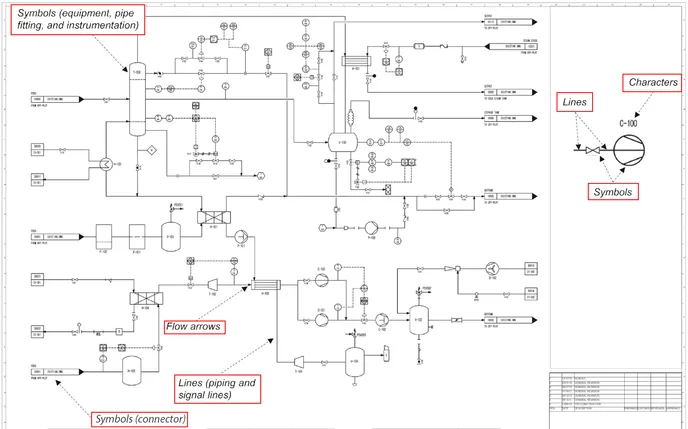
Understanding P&ID’s. Reading P&ID’s, Key ideas and tips to understand hidden points in P&ID’s.

Training details

This is a live course that has a scheduled start date.

Live session

Our Alumni Work At

wood/Bharath Engineering CollegeKBR/IRTTwood/Bharath Engineering CollegeMaryMount California UniversityKBR/IRTTGenser Energy Ghana LtdAeroDef Nexus LLPInventor Engineering solutionsEx-Tata Steel , Precision Engineering Division , West Bengal universityAssystem StupEEProCAD tech solutonsATKINSREALISMangalam college of EngineeringSearching for jobGulf Engineering & Consultant Gazprom International LimitedNAAir ProductsSPES Consultancy Tecnimont Spa Abu DhabiNIT SilcharJabalpur Engineering College Wex Technologies Pvt.LtdGARGI MEMORIAL INSTITUTE OF TECHNOLOGYSlimane DridiabdWhatispiping.comHoly Angel UniversityCYIENTEnergoprojektifluids engineering

Why people choose EveryEng

Industry-aligned courses, expert training, hands-on learning, recognized certifications, and job opportunities—all in a flexible and supportive environment.

COMPLETED

Coming in Next Month

Questions and Answers

Q: You're staring at a separator P&ID at 02:00 offshore and google "how to read P&ID line number and service code on offshore separator". A line is tagged 12"-P-150-CS-101. From the drawing alone, what can you reliably infer?

A: A: Line size, service code, material family, and flange class are encoded here. That's exactly what the tag gives you. B: Class 150 is a flange rating, not MAWP. Pressure depends on material and temperature. C: Corrosion allowance is a line class detail, not readable from the tag alone. D: Temperature derating exists. Class 150 at 200 °C is already constrained.