
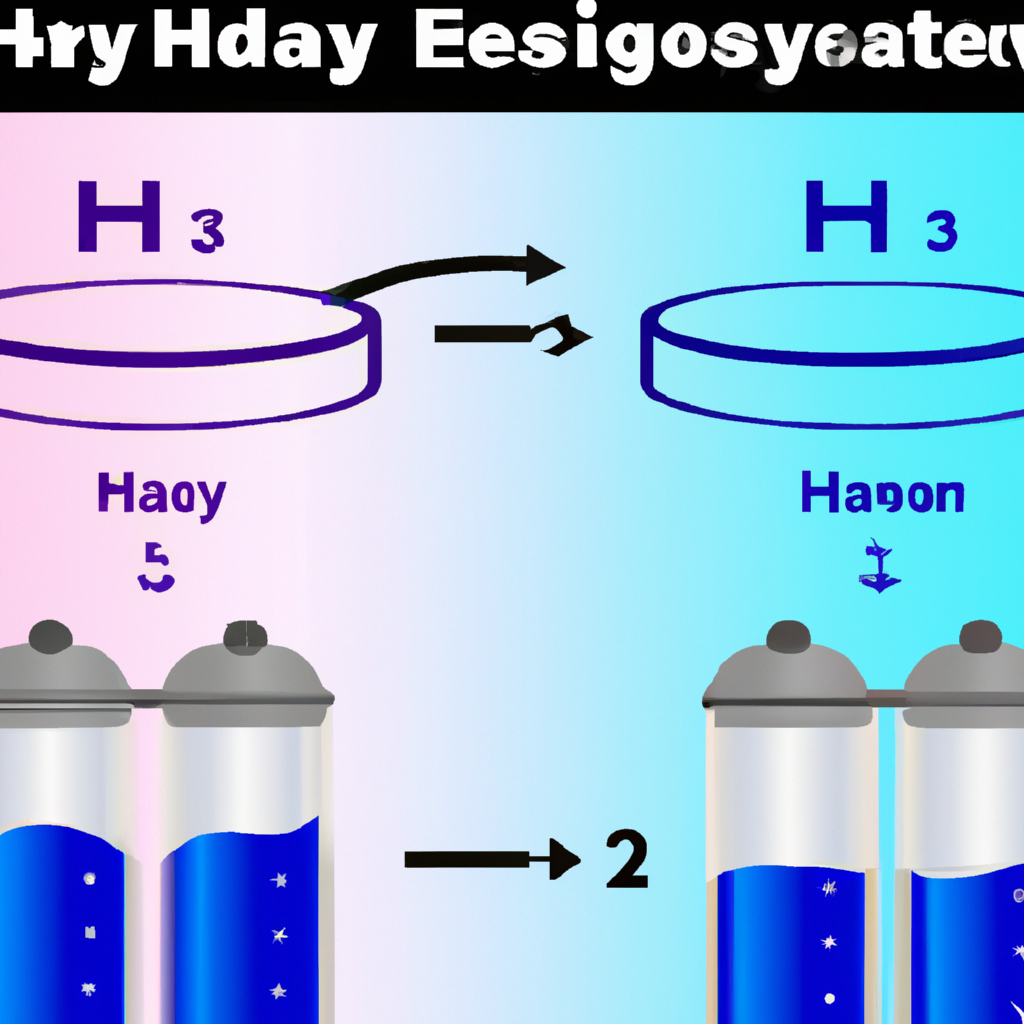
Thermodynamics of Hydrogen Energy Storage

Team EveryEng
Mechanical Engineering
FREE
6 already enrolled!
Beginner course for learners

Foundational Learning

Access to Study Materials

Self-Paced Learning
Thermodynamics of Hydrogen Energy Storage
Trainers feedback
Team EveryEng
Mechanical Engineering
Course type
Watch to learn anytime
Course duration
220 Min
Course start date & time
Access anytime
Language
English
Why enroll

Course content
The course is readily available, allowing learners to start and complete it at their own pace.

Thermodynamics of Hydrogen Energy Storage
7 Lectures
220 min

Fundamentals of Metal hydrides for Solid State Hydrogen Storage Part -1
27 min
Fundamentals of Metal Hydrides for Solid State Hydrogen Storage Part -2
30 min
Different Types of Hydrides for Hydrogen Storage
41 min
Tailoring Metal Hydrides for Practical Applications: Nanostructure Part 1
35 min
Tailoring Metal Hydrides for Practical Applications: Nanostructure Part 2
28 min
MH System Design and Experimental Facilities on Solid State Hydrogen Storage
42 min
Tutorial - 6 ( MH systems design)
17 min
Course details
Course suitable for
Our Alumni Work At























Why people choose EveryEng
Industry-aligned courses, expert training, hands-on learning, recognized certifications, and job opportunities—all in a flexible and supportive environment.
- Industry Veteran
- Trainer Review

KPMG
From learning new technologies to getting hired, this platform changed engineer's career trajectory! It's a great work by Engineer's behind the EveryEng brain.

Rahul Dalal
Senior Resourc Manager
Dallas, USA

Worley
I’ve had an amazing experience with EveryEng! The courses are well-structured, insightful, and practical. The platform is perfect for anyone looking to advance their engineering career with industry-relevant skills.

Arghyapratim Haldar
Sr Process Engineer
Bangalore, India

Servilink Systems
EveryEng offers a fantastic learning experience with a great selection of courses and expert mentors. The platform is user-friendly, and the knowledge gained is highly practical. It's been a great journey so far!

Jigna Shukla
Project Management
Baroda, India

SLB
I never imagined an online learning platform could be this effective! EveryEng’s courses are top-notch, the mentors are industry experts, and the skills my team gained have made a real difference in the performance!"

Vishal Kokate
Engineering Team Lead
Pune, India

Heelium
EveryEng is my go-to platform for engineering education. The courses are easy to follow, and the instructors are very knowledgeable. The platform has helped my team gain confidence and expertise in our field.

Siddharth Jain
Co-Founder
Pune, India
Team EveryEng
Mechanical Engineering
Questions and Answers

No questions yet - Be the first one to ask!
More from Same Author
- Technical Courses
- Articles



1097

48
E-Learning
Unlimited access
Beginner
E-Learning
Unlimited access
Pre-recorded videos
8038
387
E-Learning
Unlimited access
Beginner
E-Learning
Unlimited access
Pre-recorded videos
2327
68
Online
Live courses
Online
Live courses
Interacting with trainer
Earning and Growth option in same Industry Domain
- Pre-recorded
- Online live session
- Offline
- Articles
Currently there is no courses available!
Why choose EveryEng?

Flexible Learning
Continuous Improvement
Beat Competition
Cost Effective solutions
Are you interested in taking a course?
More Training & Development option to expand your reach
- Technical courses
- Soft-skills courses
- Seminars
- Articles & Blogs

1941
6
Online
Live courses

December 31

160 Hrs
Advanced
Online
Live courses
Interacting with trainer


163
Online
Live courses
February 21
25 Hrs
Advanced
Online
Live courses
Interacting with trainer


792
Online
Live courses
February 21
30 Hrs
Advanced
Online
Live courses
Interacting with trainer