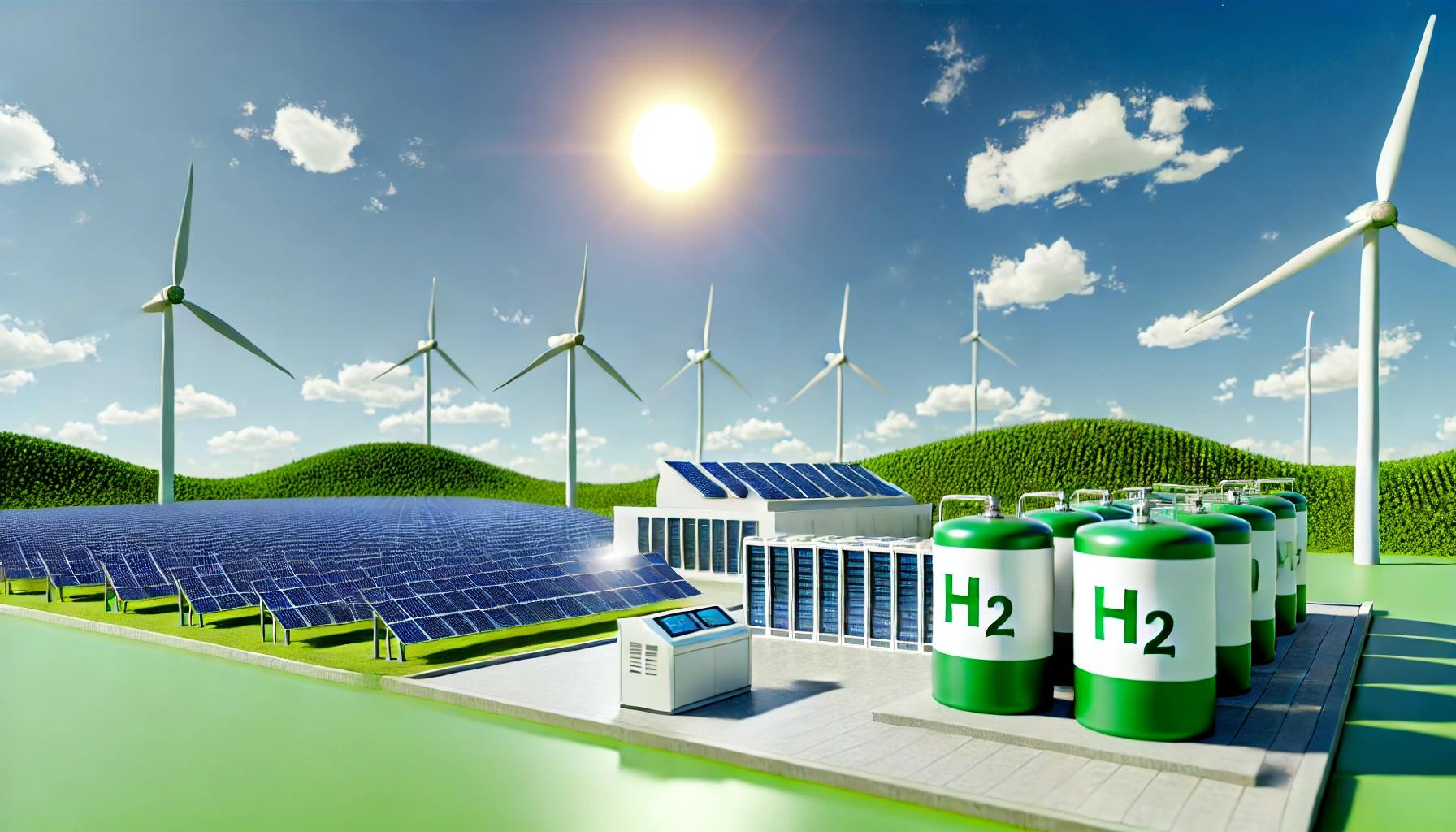
Renewable Energy (Solar and Wind) with ESS and Decarbonization Technologies
Dr Bhawani Singh Rathore
Renewable Energy Coach and Consultant
COMPLETED
47 already enrolled!
Beginner course for learners
Renewable Energy (Solar and Wind) with ESS and Decarbonization Technologies
Trainers feedback
0
(0 reviews)
Dr Bhawani Singh Rathore
Renewable Energy Coach and Consultant
Course type
Instructor led live training
Course duration
1 Hrs
Course start date & time
December 8, 2024 | 06:00 AM
Language
English , Hindi
This course format is where trainer will explain you the subject via online live session. This course will run as per specific date and time.
Why enroll
Our course on Renewable Energy (Solar and Wind) with ESS and Decarbonization equips you with actionable knowledge, practical skills, and cutting-edge insights to excel in the growing green energy sector. You’ll gain expertise in energy storage systems, decarbonization technologies like green hydrogen, and strategies for achieving carbon neutrality—empowering you to stay ahead in a sustainable future while opening doors to exciting career opportunities.
Course details
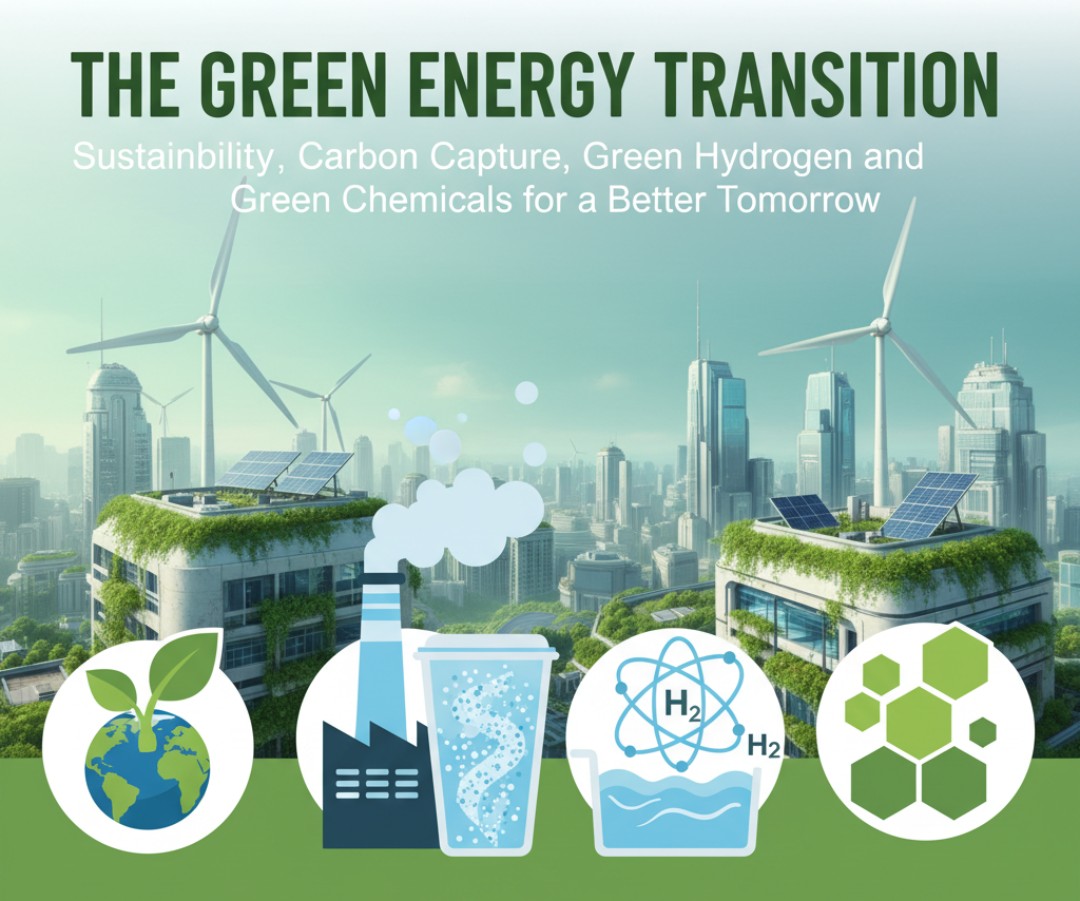
Join us for an insightful and engaging free webinar exploring the future of renewable energy. This session focuses on the integration of Solar and Wind energy with Energy Storage Systems (ESS) and advanced Decarbonization Technologies. Learn about innovative solutions, emerging trends, and actionable strategies driving the transition towards a sustainable, carbon-neutral future.
Course suitable for
Oil & Gas Energy & Utilities Data Science & Analysis Electrical Health, Safety & Environmental Mechanical
Key topics covered
The role of Solar and Wind energy in achieving Net Zero goals.
Overview of Energy Storage Systems (ESS) for enhanced efficiency and grid stability.
Cutting-edge Decarbonization Technologies, including Green Hydrogen and Ammonia.
Challenges, opportunities, and global best practices for a sustainable energy ecosystem.
Training details
This is a live course that has a scheduled start date.
Live session
December 08, 2024 | 06:00 AM
1 Hours every day
1 Days
Why people choose EveryEng
Industry-aligned courses, expert training, hands-on learning, recognized certifications, and job opportunities—all in a flexible and supportive environment.
- Industry Veteran
- Trainer Review
COMPLETED
December 8, 2024
Questions and Answers
A: Solar photovoltaic (PV) technology converts sunlight directly into electricity using semiconductor materials, typically silicon. When sunlight hits the solar cells, photons excite electrons, creating electron-hole pairs. This excitation generates an electric current as the electrons flow through the material, which can then be harnessed as electricity. The entire process is based on the photovoltaic effect. For more detailed information, you can refer to the National Renewable Energy Laboratory's explanation: https://www.nrel.gov/research/re-photovoltaics.html
A: The main challenges of integrating large-scale wind power into the electrical grid include variability and intermittency of wind resources, grid stability concerns, and the need for grid infrastructure upgrades. Wind power output depends on wind speed, which can fluctuate rapidly and unpredictably, causing challenges in balancing supply and demand. Additionally, high penetration of wind can affect voltage and frequency stability. Solutions such as energy storage systems, grid modernization, and advanced forecasting techniques are essential. For an in-depth discussion, see IRENA’s report on grid integration: https://www.irena.org/publications/2019/May/Innovation-outlook-Wind
A: Energy Storage Systems (ESS) enhance effectiveness by storing excess energy generated during peak production times and releasing it when generation is low or demand is high. This helps to mitigate the intermittency of solar and wind power, ensuring a more reliable and stable electricity supply. ESS technologies include batteries (lithium-ion, flow batteries), pumped hydro, and thermal storage. By smoothing out supply fluctuations, ESS facilitates higher penetration of renewables and improves grid resilience. More information is available from the U.S. Department of Energy: https://www.energy.gov/eere/solar/solar-energy-technologies-office-energy-storage
A: Decarbonization in energy systems refers to the process of reducing carbon dioxide emissions associated with energy production and consumption. It involves transitioning from fossil fuels to cleaner energy sources such as renewables, enhancing energy efficiency, and adopting technologies like Carbon Capture and Storage (CCS). This process is critical to mitigate climate change, improve air quality, and comply with international climate commitments such as the Paris Agreement. Decarbonization supports sustainable development and energy security. The International Energy Agency provides comprehensive resources on this topic: https://www.iea.org/topics/decarbonisation
A: Recent advancements in wind turbine technology include larger rotor diameters, taller towers, improved blade design using lightweight composite materials, and advanced control systems. These innovations allow turbines to capture more wind energy, especially at lower wind speeds, improving capacity factors. Additionally, digitalization and predictive maintenance enabled by sensors and AI enhance operational efficiency and reduce downtime. Floating offshore wind turbines are also emerging, enabling access to deeper waters with stronger, more consistent winds. For more technical details, refer to WindEurope’s Technology Report: https://windeurope.org/data-and-analysis/product/technology-report/
A: Hybrid renewable energy systems combine two or more types of renewable generation technologies, such as solar PV and wind turbines, often integrated with energy storage. The combination helps to balance the variability of individual sources since wind and solar resources generally complement each other—wind often blows more at night, while solar is available during the day. This leads to improved reliability, reduced dependence on grid power or fossil fuels, and optimized use of infrastructure. Hybrid systems are particularly beneficial in remote or off-grid applications. For more information, see the National Renewable Energy Laboratory’s resources: https://www.nrel.gov/grid/hybrid-systems.html
A: Power electronics are critical in renewable energy integration as they manage the conversion, control, and conditioning of electrical power from renewable sources to the grid or loads. In solar PV systems, inverters convert DC electricity from panels to AC electricity for the grid. In wind turbines, power electronic converters regulate the variable output, allowing operation at optimal speeds and ensuring grid compatibility. Power electronics also enable functions like voltage regulation, reactive power support, and fault ride-through capabilities, which enhance grid stability and enable higher renewable penetration. The IEEE provides detailed standards and studies on this topic: https://ieeexplore.ieee.org/document/8350197
A: Solar panel production involves mining and processing raw materials such as silicon, silver, and rare earth elements, which can lead to environmental impacts including habitat disruption, water use, and chemical waste. Manufacturing processes consume energy and may release hazardous substances if not managed properly. At the end of their lifecycle, panels contain materials like heavy metals that require safe disposal or recycling to prevent pollution. However, advancements in recycling technologies are improving material recovery rates, reducing environmental footprint. Overall, lifetime emissions of solar panels are significantly lower than fossil fuels. For a comprehensive lifecycle analysis, consult the IEA's PVPS report: https://iea-pvps.org/key-topics/lifecycle-assessment/
A: Strategies to improve grid stability include deploying energy storage to manage variability, enhancing grid flexibility through demand response and flexible generation, modernizing grid infrastructure with smart grid technologies, and implementing advanced forecasting and control systems. Frequency regulation and voltage support services can be provided by inverters and storage systems. Additionally, regional grid interconnections help balance supply and demand over wider areas. Regulatory frameworks and market mechanisms also incentivize flexibility and reliability measures. The International Renewable Energy Agency covers best practices in grid stability: https://www.irena.org/publications/2020/Jun/Power-system-flexibility-for-the-energy-transition
More from Same Author
- Technical Courses
- Articles

4 (43)
302
4
E-Learning
Unlimited access
Beginner
E-Learning
Unlimited access
Pre-recorded videos
4 (43)
175
1
E-Learning
Unlimited access
Beginner
E-Learning
Unlimited access
Pre-recorded videos
4 (23)
3243
2
E-Learning
Unlimited access
Beginner
E-Learning
Unlimited access
Pre-recorded videos
Earning and Growth option in same Industry Domain
- Pre-recorded
- Online live session
- Offline
- Articles
4 (23)
172
E-Learning
Unlimited access
Beginner
E-Learning
Unlimited access
Pre-recorded videos
4 (23)
411
1
E-Learning
Unlimited access
Beginner
E-Learning
Unlimited access
Pre-recorded videos
4 (25)
595
5
E-Learning
Unlimited access
Advanced
E-Learning
Unlimited access
Pre-recorded videos
More Training & Development option to expand your reach
- Technical courses
- Soft-skills courses
- Seminars
- Articles & Blogs
4
403
Online
Live courses
December 21
1.5 Hrs
Beginner
Online
Live courses
Interacting with trainer

998
3
Online
Live courses
December 31
160 Hrs
Advanced
Online
Live courses
Interacting with trainer
254
Online
Live courses
January 8
9 Hrs
Beginner
Online
Live courses
Interacting with trainer