Search icon
Search icon

Technical Courses

Soft-Skills Trainings

Seminar & Conferences

Articles & Blogs

Jobs / Hiring

Internship Options

Project Based Freelancing

Communities & Consultation

Product image
Preview this course

Design of Heat Exchangers using HTRI

Shanmugam V

Shanmugam V

Lead / Senior Mechanical Engineer/Static Equipment Engineer

$ 200

4 already enrolled!

Product image
Preview this course

Design of Heat Exchangers using HTRI

  • Trainers feedback

    4

    (14 reviews)

    Shanmugam V

    Shanmugam V

    Lead / Senior Mechanical Engineer/Static Equipment Engineer

  • Course type

    Watch to learn anytime

  • Course duration

    486 Min

  • Course start date & time

    Access anytime

  • Language

    English

Why enroll

From the "Heat Exchanger Design" course, the participants will gain specialized, practical expertise that directly supports their roles in engineering design and project execution. The course provides a unique opportunity to deepen their understanding of thermal and mechanical aspects of heat exchangers—critical components in energy and process systems.

Professionals are often motivated by the need to:

  • Enhance their ability to design and specify heat exchangers in line with industry standards such as ASME, TEMA, and API.

  • Bridge the gap between theoretical knowledge and real-world application in project-based environments.

  • Improve decision-making when evaluating vendor designs, managing technical queries, and ensuring equipment reliability and efficiency.

  • Stay competitive in the field of static equipment and packaged systems by expanding their skillset with a focused, industry-relevant course.

  • Gain confidence in communicating effectively with multidisciplinary teams, including process, piping, and instrumentation engineers.

Ultimately, participants seek to advance their careers, reduce design errors, and add value to projects by mastering the complexities of heat exchanger selection and integration.

Opportunities that awaits you!

Certificate thumbnail

Earn a course completion certificate

Add this credential to your LinkedIn profile, resume, or CV. Share it on social media and in your performance review
Course content

The course is readily available, allowing learners to start and complete it at their own pace.

Video info icon

Design of Heat Exchangers using HTRI

8 Lectures

486 min

  • Lesson icon

    Introduction & Heat Exchanger Nomenclature

    Preview icon

    Preview

    22 min

  • Lesson icon

    Heat Exchanger API 661

    17 min

  • Lesson icon

    Shell and tube Heat exchanger

    68 min

  • Lesson icon

    Heat Exchanger Types

    83 min

  • Lesson icon

    Condensate Trim Heater

    85 min

  • Lesson icon

    Heat Exchanger Flow Fraction

    49 min

  • Lesson icon

    Shell & Tube Heat Exchanger

    93 min

  • Lesson icon

    Logarithmic Mean Temperature Differences

    69 min

Course details

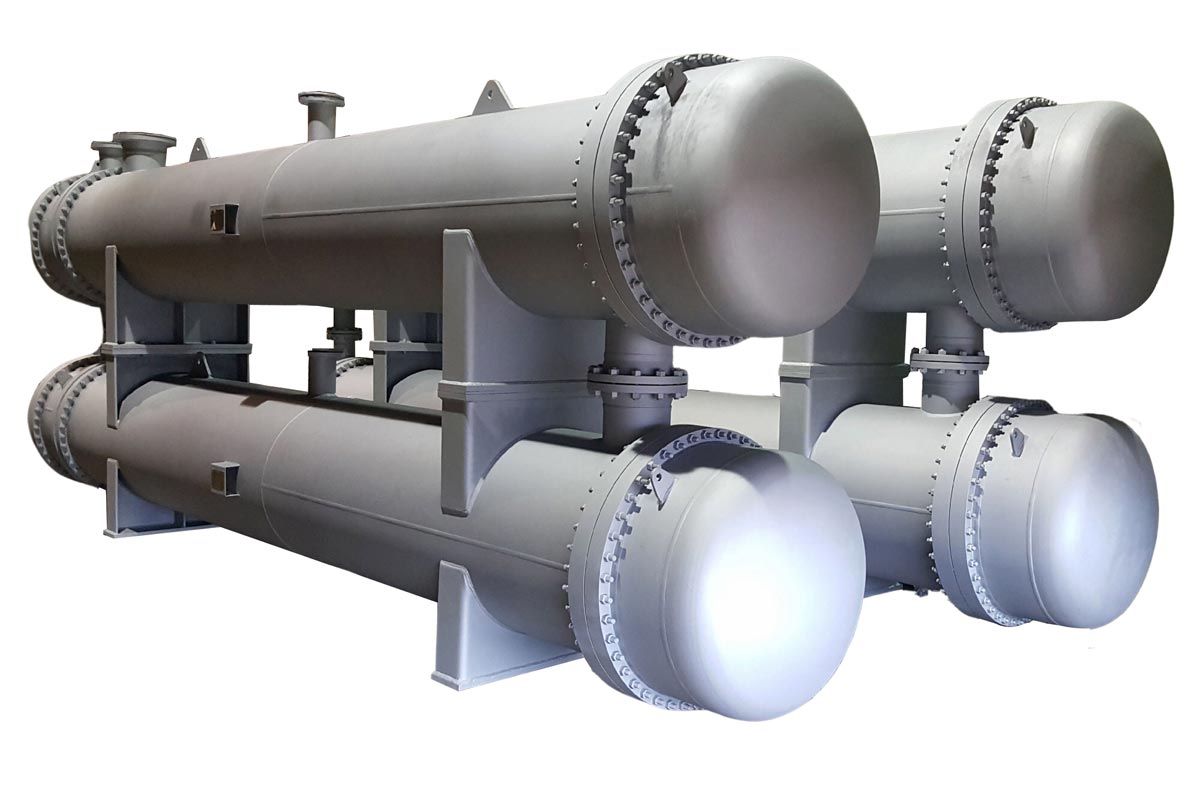
The primary objective of the "Heat Exchanger Design" course is to equip participants with a comprehensive understanding of the principles, methodologies, and industry best practices involved in the design, selection, and specification of heat exchangers. Tailored specifically for professionals in mechanical static and package engineering, this course focuses on both the theoretical foundations and practical applications of heat exchanger design in process industries such as oil & gas, petrochemical, and power generation.

Participants will gain in-depth knowledge of various types of heat exchangers including shell-and-tube, plate, and air-cooled exchangers, with emphasis on thermal and mechanical design considerations, material selection, fouling factors, pressure drop, and design codes such as ASME and TEMA. The course will also cover the integration of heat exchangers into packaged systems, addressing layout constraints, operability, maintainability, and safety.

By the end of the course, professionals will be able to confidently interpret project specifications, perform basic design and rating calculations, evaluate vendor proposals, and contribute effectively to multidisciplinary project teams. This course bridges the gap between theoretical design and real-world engineering challenges, enhancing participants’ ability to deliver reliable and efficient heat exchanger solutions in complex industrial environments.

Course suitable for

  • Energy & Utilities
  • Oil & Gas
  • Pharmaceutical & Healthcare
  • Mechanical

Key topics covered

The 20-hours long online live course will briefly cover the following topics related to Heat Exchanger Design

-          Heat Exchanger Introduction

-          TEMA Configuration

-          TEMA Overview and review

-          Tube-sheet design as per UHX

-          Thermal design concept

-          Understanding Thermal datasheet / HTRI output

-          Bellows selection

-          Plate and Frame Introduction

-          API 667 Code review

-          Tube-to-tube sheet design & calculation

Our Alumni Work At
wood/Bharath Engineering CollegeKBR/IRTTwood/Bharath Engineering CollegeMaryMount California UniversityKBR/IRTTGenser Energy Ghana LtdAeroDef Nexus LLPInventor Engineering solutionsVivekananda global universityEx-Tata Steel , Precision Engineering Division , West Bengal universityEEProCAD tech solutonsATKINSREALISMangalam college of EngineeringSearching for jobGulf Engineering & Consultant Gazprom International LimitedAir ProductsSPES Consultancy Tecnimont Spa Abu DhabiJabalpur Engineering College Wex Technologies Pvt.LtdGARGI MEMORIAL INSTITUTE OF TECHNOLOGYSlimane DridiabdWhatispiping.comHoly Angel UniversityCYIENTEnergoprojektairswiftIITBSusoptDESIGN AID ENGINEERINGURC Construction pvt.ltdGismic LLCAditya engineering college Advanced Piping SolutionsAutomotive MNCSPIE Oil and GasmeChittagong University Of Engineering And technology XYZENGGENIOUS - (SAN Techno Mentors Private Limited)CAE Solutions Pvt.LtdJamia Millia Islamia New delhiJOHN DEEREGec Raipur Chhattisgarh C&T Engineers shreyashEMCOsrk instistute of technologysyn A.V.C college of Engineering Tecnimont Private LimitedIvory Lane ConsultantRSB Transmissions pune kazgasaadasdaDowRajalakshmi Engineering CollegeSmt Kashibai Navale College of Engineering PuneSamsungReliance Industries LimitedNot working right nowEnergyscape RenewablesTATA Advanced SystemsKamakhya groupGURU NANAK INSTITUTE OF TECHNOLOGYManipal Institute of TechnologyIdeal institute of technology Kakinada Malla Reddy Engineering College Telus digital intelous india pvt ltdTata Consultancy services Pvt. Ltd.Decimal Technologies Sinmec Enginnering services pvt ltdFederal University of Technology Akure Central Institute of Road TransportGovind Ballabh Pant Institute of Engineering and technology pauri garhwal Pal college of technology and management Paltech cooling towers and equipments limited TpgitThe Advice & AssistMicrosoftThink QVOITH PAPER INDIA PVT LTD.AmazonEast Point College of Engineering and TechnologyEast pointCollege aarvee consultancyQACAYenepoya school of business university of technology and applied scienceBajaj AutoDimension Consultant Pvt ltd Royal Enfield pvt ltd TradolgieYenepoya business schoolJoji ltdTew Dynamics Pravite Limited Center of Skill Development for Employability and Entrepreneurship East point college Green Star Central AC companyTarun Anand associate CMNSSolar turbinesBilfinger Tebodinenot wrkingEngineeringInstitute of High Pressure Physics. Finolex industries LTDSpray Engineering Devices ltdABBInfosys Ltdulm university Airbornics Defence And Space Private Limited Vancor ConsultPT Rapid Infrastruktur IndonesiaSatish Dhawan Space Centre, ISROProCAD tech solutionssilo granites india FREE SourcesAPD Global Trade Divith techno solutions compprofileENGGENIOUS


Why people choose EveryEng

Industry-aligned courses, expert training, hands-on learning, recognized certifications, and job opportunities—all in a flexible and supportive environment.

Shanmugam V

Shanmugam V

Lead / Senior Mechanical Engineer/Static Equipment Engineer

Questions and Answers

Q: You're offshore during pre-commissioning and searching Google for "HTRI shell and tube exchanger field verification before hydrotest". Two senior engineers disagree on what you verify first before signing the mechanical acceptance. What's the right call?

A: A lines up with API and TEMA practice. Geometry and nozzle orientation errors can invalidate the test setup itself. B flips the sequence; a hydro with wrong orientation proves nothing. C matters, but access doesn’t affect pressure safety on day one. D is a paper exercise and doesn’t block safe testing.