
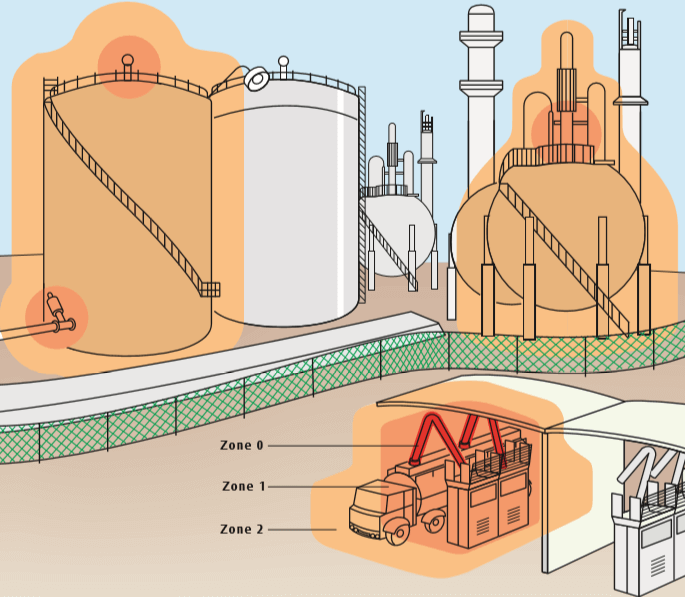
Hazardous Area Classification for Oil and Gas Industries
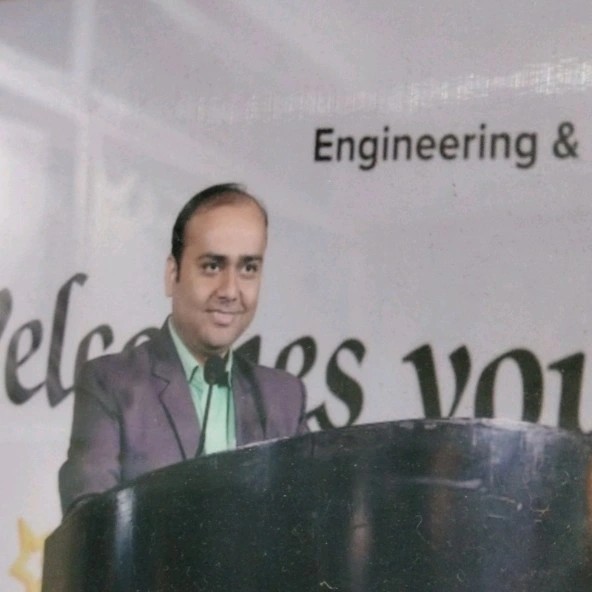
Sawrabh Raj
Sr Instrumentation Design Engineer, Global Trainer- Instrumentation Design
$ 15
Beginner course for learners

Foundational Learning

Access to Study Materials

Self-Paced Learning
Hazardous Area Classification for Oil and Gas Industries
Course type
Watch to learn anytime
Course duration
71 Min
Course start date & time
Access anytime
Language
Hindi
Opportunities that awaits you!

Earn a course completion certificate
Add this credential to your LinkedIn profile, resume, or CV. Share it on social media and in your performance review
Course content
The course is readily available, allowing learners to start and complete it at their own pace.

Hazardous Area Classification for Oil and Gas Industries
1 Lectures
71 min

Hazardous Area Classification for Oil and Gas
71 min
Course details
Course suitable for
Our Alumni Work At































































































Why people choose EveryEng
Industry-aligned courses, expert training, hands-on learning, recognized certifications, and job opportunities—all in a flexible and supportive environment.
- Industry Veteran
- Trainer Review

Lamprell
EveryEng provides everything an aspiring engineer needs. The courses are relevant, engaging, and easy to follow. It's the best investment an engineer can make in his/her career!

Parth Desai
Offshore Construction Manager
Dubai, UAE

BBC
EveryEng is the perfect platform for engineers at all stages of their careers. The courses are practical, engaging, and industry-relevant. You can learn so much and feel more confident professionally.

Chitra Sharma
Software Engineer
London

Lummus
I love how EveryEng makes complex engineering concepts easy to understand. The platform offers valuable insights, great mentors, and a supportive community. It's truly a one-stop solution for engineers worldwide.

Siddharth Mishra
Project Manager
Frankfrut, Germany

Penta Global Engineering
Engineering education should be hands-on, and that’s exactly what EveryEng provides. From interactive Q&A sessions to on-the-job training, this platform offers everything a modern engineer needs to succeed!

Prashant Joshi
Operation Director
Dubai, UAE
Servilink Systems
EveryEng offers a fantastic learning experience with a great selection of courses and expert mentors. The platform is user-friendly, and the knowledge gained is highly practical. It's been a great journey so far!
Jigna Shukla
Project Management
Baroda, India
Sawrabh Raj
Sr Instrumentation Design Engineer, Global Trainer- Instrumentation Design
Questions and Answers

No questions yet - Be the first one to ask!
More from Same Author
- Technical Courses
- Articles

956
E-Learning
Unlimited access
Beginner
E-Learning
Unlimited access
Pre-recorded videos
1163
E-Learning
Unlimited access
Beginner
E-Learning
Unlimited access
Pre-recorded videos
1049
Online
Live courses

March 25

25 Hrs
Beginner
Online
Live courses
Interacting with trainer
Earning and Growth option in same Industry Domain
- Pre-recorded
- Online live session
- Offline
- Articles

231

1
E-Learning
Unlimited access
Beginner
E-Learning
Unlimited access
Pre-recorded videos

3575
2
E-Learning
Unlimited access
Beginner
E-Learning
Unlimited access
Pre-recorded videos
362
2
E-Learning
Unlimited access
Beginner
E-Learning
Unlimited access
Pre-recorded videos

More Training & Development option to expand your reach
- Technical courses
- Soft-skills courses
- Seminars
- Articles & Blogs

1918
6
Online
Live courses
December 31
160 Hrs
Advanced
Online
Live courses
Interacting with trainer


156
Online
Live courses
February 21
25 Hrs
Advanced
Online
Live courses
Interacting with trainer


784
Online
Live courses
February 21
30 Hrs
Advanced
Online
Live courses
Interacting with trainer