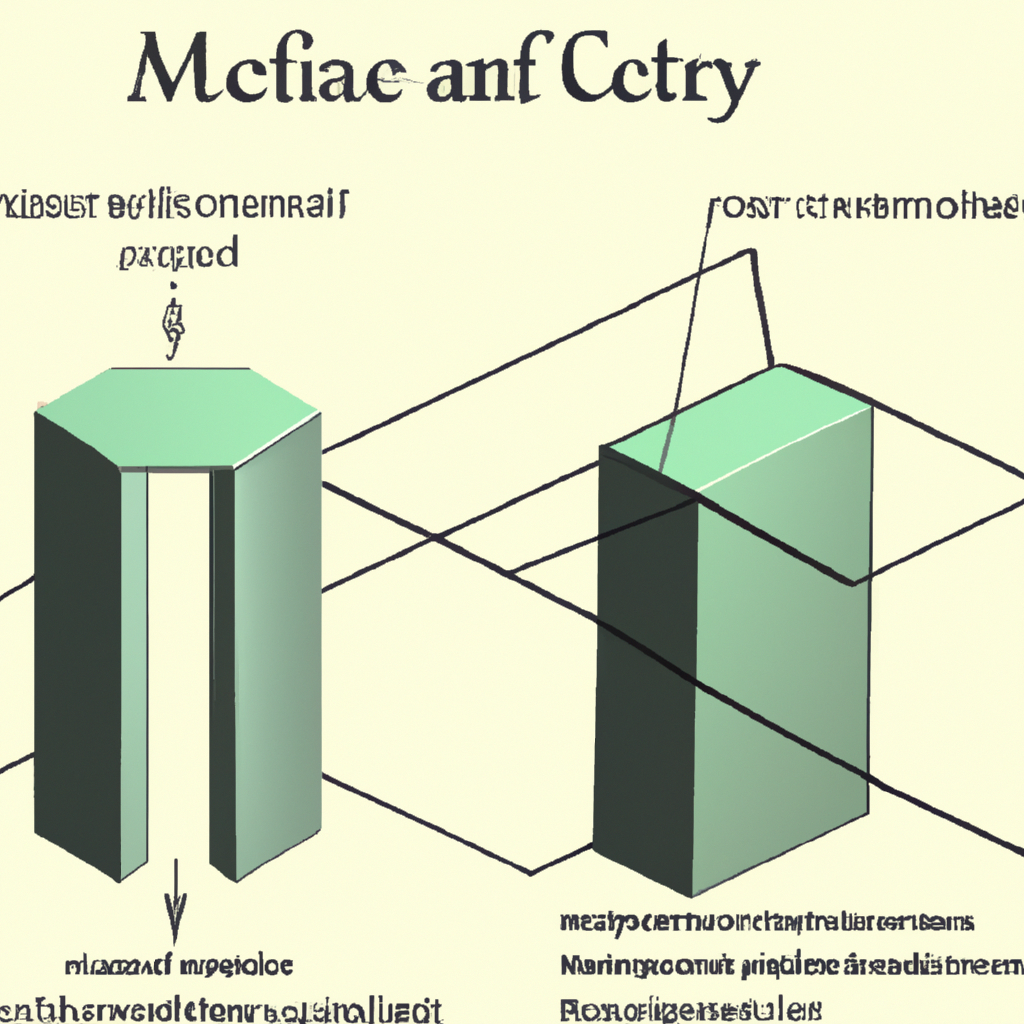
Physical Metallurgy - Understand Crystal Structures

$ 20
Beginner course for learners

Foundational Learning

Access to Study Materials

Self-Paced Learning
Physical Metallurgy - Understand Crystal Structures
Course type
Instructor led live training
Course duration
2 Hrs
Course start date & time
Coming in Next Month
Language
English
Opportunities that awaits you!

Earn a course completion certificate
Add this credential to your LinkedIn profile, resume, or CV. Share it on social media and in your performance review


Course details
Course suitable for
Key topics covered
Training details
This is a live course that has a scheduled start date.
Live session
Why people choose EveryEng
Industry-aligned courses, expert training, hands-on learning, recognized certifications, and job opportunities—all in a flexible and supportive environment.
- Industry Veteran
- Trainer Review

SaiDeepa
EveryEng has completely transformed the learning experience. The platform is easy to navigate, offers high-quality content, and provides great support. I highly recommend it to anyone looking to upskill in engineering.


Halliburton
I had been looking for a reliable online platform for engineering courses, and EveryEng delivered beyond my expectations. The content is top-notch, the instructors are excellent, and the learning experience is seamless.


Advanced Upstream
EveryEng helped me bridge the gap between academia and industry. Their practical training and job placement services enabled me to secure a well-paying job and start building a successful engineering career!!


Electric Hydrogen
EveryEng is more than just a training platform - it's a career catalyst! Their expert instructors, real-world projects, and job assistance helped engineers transition into a successful engineering professional.


KPMG
From learning new technologies to getting hired, this platform changed engineer's career trajectory! It's a great work by Engineer's behind the EveryEng brain.

Questions and Answers
More from Same Author

Earning and Growth option in same Industry Domain
- Pre-recorded
- Online live session
- Offline
- Articles



4503

2
E-Learning
Unlimited access
Beginner
E-Learning
Unlimited access
Pre-recorded videos

2715
4
E-Learning
Unlimited access
Advanced
E-Learning
Unlimited access
Pre-recorded videos

5687
81
E-Learning
Unlimited access
E-Learning
Unlimited access
Pre-recorded videos

Md Firan Mondal
Lead HVAC Engineer | CEng, MIMechE, UK I CEng, KIVI, Europe I B.E (Mechanical) I Oil & Gas I HVAC Wind Platforms I Green Hydrogen I Blogger
$10
More Training & Development option to expand your reach
- Technical courses
- Soft-skills courses
- Seminars
- Articles & Blogs

1711
6
Online
Live courses

December 31

160 Hrs
Advanced
Online
Live courses
Interacting with trainer

689
Online
Live courses
February 21
30 Hrs
Advanced
Online
Live courses
Interacting with trainer
256
1
Online
Live courses
February 28
2 Hrs
Beginner
Online
Live courses
Interacting with trainer
