
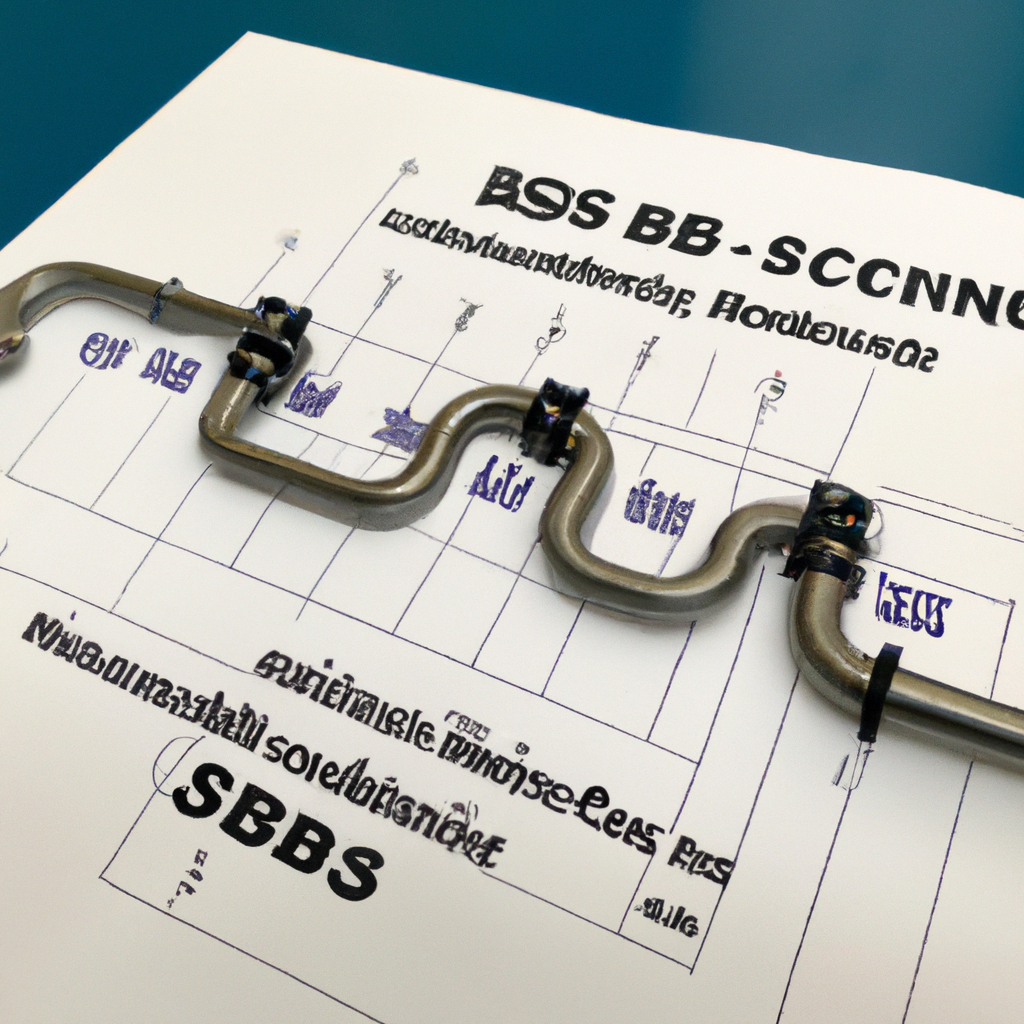
Solid Mechanics as applied to B31 piping codes

Anindya Bhattacharya
Asset Engineer
$ 300
Advanced course for professionals

Anytime Learning

Learn from Industry Expert

Career Option Guideline
Solid Mechanics as applied to B31 piping codes
Trainers feedback
Anindya Bhattacharya
Asset Engineer
Course type
Instructor led live training
Course duration
12 Hrs
Course start date & time
Coming in Next Month
Language
English
Why enroll

Course details
Course suitable for
Key topics covered
Training details
This is a live course that has a scheduled start date.
Live session
Our Alumni Work At



















Why people choose EveryEng
Industry-aligned courses, expert training, hands-on learning, recognized certifications, and job opportunities—all in a flexible and supportive environment.
- Industry Veteran
- Trainer Review

SaiDeepa
I’m amazed by the depth of knowledge available on EveryEng. The platform covers various engineering topics in detail, making learning both exciting and rewarding. I would highly recommend it to everyone!

Kranthi Bolineni
COO
Hydrabad, India

Penta Global Engineering
Engineering education should be hands-on, and that’s exactly what EveryEng provides. From interactive Q&A sessions to on-the-job training, this platform offers everything a modern engineer needs to succeed!

Prashant Joshi
Operation Director
Dubai, UAE

Heelium
EveryEng is my go-to platform for engineering education. The courses are easy to follow, and the instructors are very knowledgeable. The platform has helped my team gain confidence and expertise in our field.

Siddharth Jain
Co-Founder
Pune, India

Petrofac
I was skeptical at first, but EveryEng's training programs really delivered. I gained the skills and confidence to take on challenging projects and advance my career. Highly recommended!

Nainesh Desai
Principal Project engineer
Sharjah, UAE

Advanced Upstream
EveryEng helped me bridge the gap between academia and industry. Their practical training and job placement services enabled me to secure a well-paying job and start building a successful engineering career!!

Ratish Kadam
Sr Engineer
Calgary, Canada
Questions and Answers
More from Same Author
- Technical Courses
- Articles


1031

5
E-Learning
Unlimited access
Advanced
E-Learning
Unlimited access
Pre-recorded videos
2941
27
E-Learning
Unlimited access
Advanced
E-Learning
Unlimited access
Pre-recorded videos
1240
Online
Live courses
Advanced
Online
Live courses
Interacting with trainer
Earning and Growth option in same Industry Domain
- Pre-recorded
- Online live session
- Offline
- Articles
Currently there is no courses available!
Why choose EveryEng?

Flexible Learning
Continuous Improvement
Beat Competition
Cost Effective solutions
Are you interested in taking a course?
More Training & Development option to expand your reach
- Technical courses
- Soft-skills courses
- Seminars
- Articles & Blogs

1941
6
Online
Live courses

December 31

160 Hrs
Advanced
Online
Live courses
Interacting with trainer


163
Online
Live courses
February 21
25 Hrs
Advanced
Online
Live courses
Interacting with trainer


792
Online
Live courses
February 21
30 Hrs
Advanced
Online
Live courses
Interacting with trainer