
Search icon
Search icon

Technical Courses

Soft-Skills Trainings

Seminar & Conferences

Articles & Blogs

Jobs / Hiring

Internship Options

Project Based Freelancing

Communities & Consultation

Product image

ISO14001 - Environment

$ 20

Product image

ISO14001 - Environment

  • Trainers feedback

    0

    (0 reviews)

  • Course type

    Instructor led live training

  • Course duration

    2 Hrs

  • Course start date & time

    Coming in Next Month

  • Language

    English

Why enroll

Achieving ISO 14001 - Environment certification can significantly enhance your career in environmental management, leading to roles like Environmental Manager, Sustainability Specialist, or Compliance Officer, with median salaries ranging from $70,000 to over $120,000. With this training, you'll gain expertise in developing, implementing, and maintaining effective Environmental Management Systems (EMS). This knowledge will also equip you to reduce environmental impacts, ensure regulatory compliance, and drive sustainability initiatives. As a certified professional, you'll be highly valued by organizations seeking to minimize their ecological footprint and meet global environmental standards.

Opportunities that awaits you!

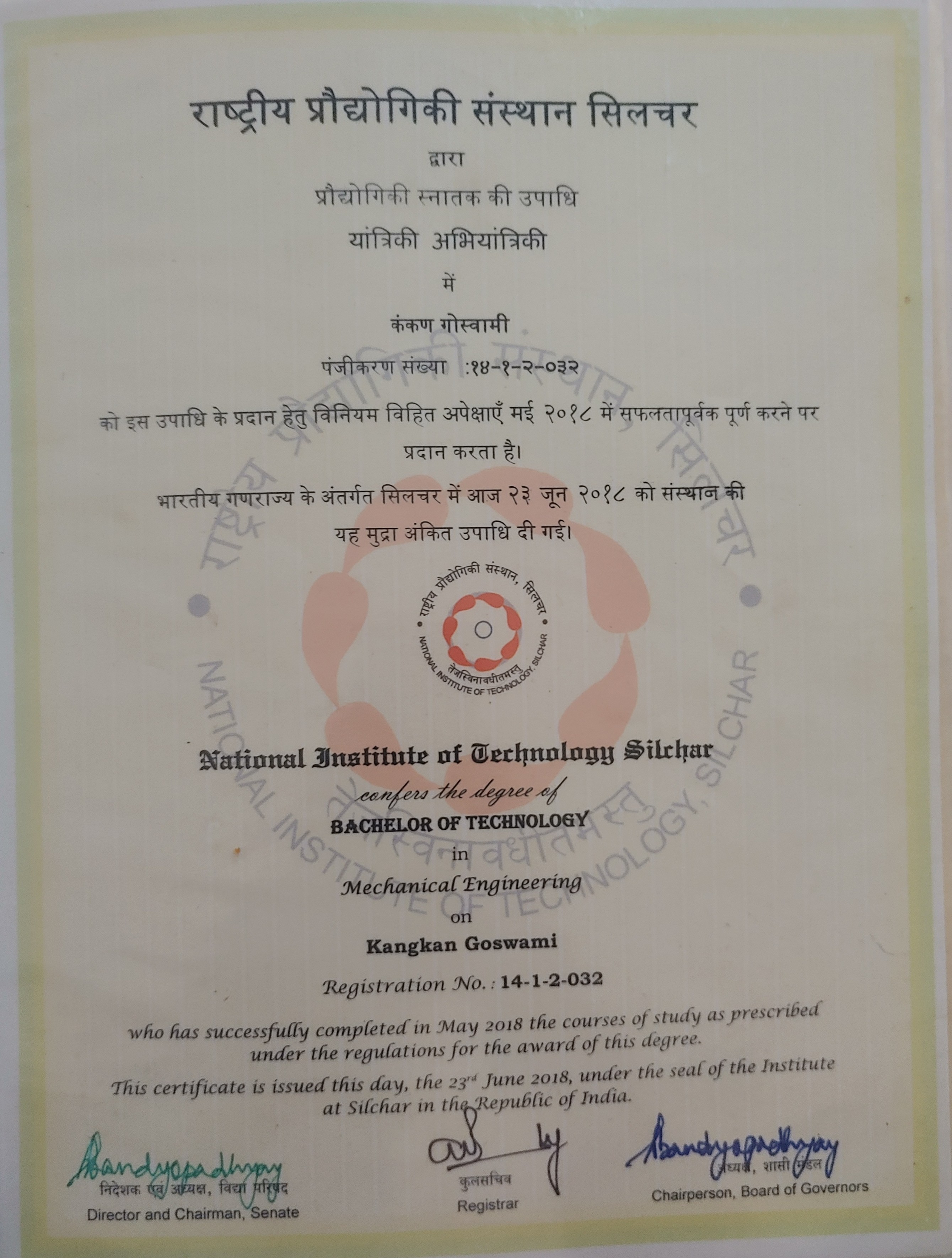
Certificate thumbnail

Earn a course completion certificate

Add this credential to your LinkedIn profile, resume, or CV. Share it on social media and in your performance review
Career opportunities

Course details

This course provides an in-depth introduction to ISO 14001, the international standard for Environmental Management Systems (EMS). Designed for professionals and organizations aiming to implement or improve their EMS, the program covers the principles, requirements, and benefits of ISO 14001. Participants will gain a comprehensive understanding of how to develop, implement, and maintain an effective EMS to enhance environmental performance and achieve regulatory compliance.

Course suitable for

  • Aerospace
  • Automotive
  • Rail & Transport
  • Mechanical
  • Metallurgy & Material Science
  • Production

Key topics covered

  1. Introduction to ISO 14001:2015

    • Overview of ISO 14001 and its role in Environmental Management

    • The evolution of ISO 14001: from ISO 14001:2004 to ISO 14001:2015

    • Key benefits of implementing ISO 14001 for organizations and stakeholders

    • Understanding the High-Level Structure (HLS) of ISO 14001:2015 (Annex SL)

    • How ISO 14001 integrates with other management systems (e.g., ISO 9001, ISO 45001)

  2. Key Principles of ISO 14001

    • Environmental Leadership: Top management’s commitment to environmental sustainability

    • Risk-Based Thinking: Identifying and managing environmental risks and opportunities

    • Environmental Aspect and Impact: Understanding the organization’s environmental aspects, impacts, and lifecycle

    • Legal and Other Requirements: Identifying and complying with relevant environmental laws, regulations, and standards

    • Continual Improvement: Using the PDCA cycle to drive ongoing environmental performance improvements

    • Stakeholder Engagement: Communicating with internal and external stakeholders about environmental issues and initiatives

  3. Understanding the Structure of ISO 14001:2015

    • Clause 1-3: Scope, Normative References, and Terms & Definitions

    • Clause 4: Context of the Organization (internal and external issues, interested parties, and their needs and expectations)

    • Clause 5: Leadership (role of top management, environmental policy, and assigning responsibilities)

    • Clause 6: Planning (actions to address risks and opportunities, environmental objectives, and planning for changes)

    • Clause 7: Support (resources, competence, awareness, communication, and documented information)

    • Clause 8: Operation (planning, control, and implementation of operational processes)

    • Clause 9: Performance Evaluation (monitoring, measurement, internal audits, and management reviews)

    • Clause 10: Improvement (addressing non-conformities, corrective actions, and continuous improvement)

  4. Environmental Aspect and Impact Assessment

    • Defining environmental aspects and impacts in the context of ISO 14001

    • Identifying and evaluating environmental aspects and their potential impacts

    • Categorizing aspects based on significance: significant vs. non-significant impacts

    • Understanding lifecycle thinking: from procurement to disposal

    • Developing action plans to manage and mitigate environmental impacts

    • Integrating environmental considerations into decision-making and operational processes

  5. Setting Environmental Objectives and Targets

    • The role of environmental objectives and targets in an EMS

    • How to set SMART (Specific, Measurable, Achievable, Relevant, Time-bound) environmental objectives

    • Aligning environmental objectives with the organization’s overall goals and strategy

    • Identifying key performance indicators (KPIs) to measure environmental performance

    • Involving stakeholders in setting and reviewing objectives and targets

    • Integrating sustainability goals into business operations (e.g., reducing carbon footprint, waste, and water consumption)

  6. Legal and Regulatory Compliance

    • The importance of legal compliance in ISO 14001

    • Identifying applicable environmental regulations and requirements at local, national, and international levels

    • Legal registers: maintaining a record of applicable environmental laws and regulations

    • The role of compliance audits and tracking mechanisms in ensuring adherence to legal requirements

    • How to manage and mitigate legal risks and liabilities

    • Communicating legal compliance to stakeholders and regulatory authorities

  7. Resource Management and Operational Control

    • Identifying and managing resources for effective EMS implementation (financial, human, and technical resources)

    • Ensuring employee competence and awareness regarding environmental management practices

    • Controlling operational processes to minimize environmental impact (e.g., energy use, emissions, waste management)

    • Implementing eco-efficient practices: reducing waste, conserving resources, and using cleaner technologies

    • Managing suppliers and contractors to ensure environmental responsibility throughout the supply chain

    • Developing and implementing standard operating procedures (SOPs) for environmental management

  8. Monitoring, Measurement, and Evaluation

    • The importance of monitoring and measuring environmental performance

    • Methods for measuring environmental aspects (e.g., energy consumption, waste generation, emissions levels)

    • Establishing baseline data for environmental metrics

    • Conducting internal audits to assess the effectiveness of the EMS

    • Reviewing and analyzing monitoring results to identify trends, non-conformities, and areas for improvement

    • Using audits and inspections to ensure operational controls are working effectively

  9. Internal Auditing for ISO 14001

    • The role of internal audits in evaluating EMS effectiveness

    • Planning and preparing for internal audits: audit scope, objectives, and criteria

    • Conducting audits: reviewing documentation, interviewing personnel, and observing operations

    • Identifying non-conformities and opportunities for improvement during audits

    • Reporting audit findings and tracking corrective actions

    • The importance of management reviews in addressing audit results and driving continual improvement

  10. Management Reviews and Continual Improvement

    • The role of management reviews in ensuring the ongoing effectiveness of the EMS

    • Analyzing performance data, audit results, and legal compliance during management reviews

    • How to make informed decisions based on review outcomes

    • Taking corrective and preventive actions to address non-conformities and improve processes

    • Fostering a culture of continuous improvement and sustainability within the organization

    • Strategies for increasing employee engagement in environmental initiatives

  11. Preparing for ISO 14001 Certification and Maintaining the EMS

    • Steps to achieve ISO 14001 certification: readiness assessments, documentation, and implementation

    • The role of external certification audits in validating the EMS

    • Key steps to maintain ISO 14001 certification and improve EMS over time

    • Continuous monitoring and reviewing to ensure ongoing compliance and effectiveness

    • Strategies for embedding environmental sustainability into corporate culture

    • How ISO 14001 aligns with corporate social responsibility (CSR) and the United Nations Sustainable Development Goals (SDGs)

Training details

This is a live course that has a scheduled start date.

Live session

Why people choose EveryEng

Industry-aligned courses, expert training, hands-on learning, recognized certifications, and job opportunities—all in a flexible and supportive environment.

$ 20

- $ 0 Early bird discount

Coming in Next Month

Questions and Answers